

Understanding the Implied Consent Law in Indiana
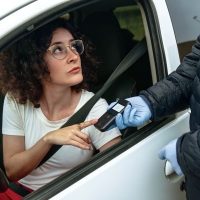
Like all states, Indiana has an implied consent law that compels drivers to submit to chemical tests if they are suspected of driving while impaired. Still, before a police officer can arrest you for drunk driving or even ask you to submit to a chemical test, they must have probable cause that you were breaking the law. If they do not have probable cause, this can provide a defense for an OWI, but it is important to seriously consider whether refusing a chemical test is worthwhile. Below, our Indianapolis operating while intoxicated (OWI) lawyers explain in greater detail.
How is Probable Cause Established in Indiana?
If a police officer suspects you of driving while impaired, they will pull you over and use a number of investigative techniques to establish probable cause. These may include:
- Odors: The police officer may try to detect the smell of alcohol on your breath or in the vehicle.
- Your appearance: Slurred speech, bloodshot eyes, and other physical signs in your appearance may also give a police officer probable cause.
- Speech and cognition: The officer may try to determine if you are slurring your words, having trouble understanding what they are saying, or fumbling while trying to retrieve your driver’s license or vehicle registration paperwork.
- Physical evidence: Beer bottles in the car’s cup holder, empty bottles on the floor of the vehicle, and other physical evidence can all give an officer probable cause.
Can You Refuse a Breath Test in Indiana?
If the officer suspects that you may be intoxicated, they may ask you to consent to a portable breathalyzer test. Most commonly, these are done using a handheld device and are taken at the roadside. You do have the right to refuse this test and the results are not admissible in court. Likewise, you can also refuse to participate in field sobriety tests without fear of legal repercussions.
On the other hand, if the officer determines that there is probable cause, they will read you the implied consent warning and ask you to submit to a certified chemical test. Unlike the portable breathalyzer test, if probable cause exists for your operating while intoxicated, the law requires that you submit to the certified chemical test. You may refuse the certified chemical test, but the officer will likely seek a search warrant to take your blood by force.
If you refuse a lawful request for a certified chemical test and you do not have any previous convictions, your driver’s license will be suspended for one year. If you do have a previous conviction and refuse a certified chemical test, your driver’s license will be suspended for two years. The officer must outline these penalties within the implied consent warning. Additionally, a refusal will also bar you from seeking specialized driving privileges. This means you will not be able to drive to work, school, or even run simple errands.
Call Our DUI & OWI Lawyers in Indianapolis Today
If you have been charged with an OWI, you need legal help. At Rigney Law, LLC, our Indianapolis DUI & OWI lawyers are ready to fight aggressively on your behalf so you obtain the best possible outcome in your case and ensure your rights are protected. Call today at 317-623-0989 or fill out our online form to schedule a free consultation with our experienced attorneys and to get the legal support you need.
Source:
iga.in.gov/laws/2022/ic/titles/9/#9-30-6